HP uses Digital Rights Management in many cartridge-based printing systems to control which supplies can work with the printer. In practical terms, DRM is a combination of cartridge chips, firmware checks, encrypted communication, and ongoing authentication during printer operation.
How HP DRM Technology Works
1. Chip Authentication
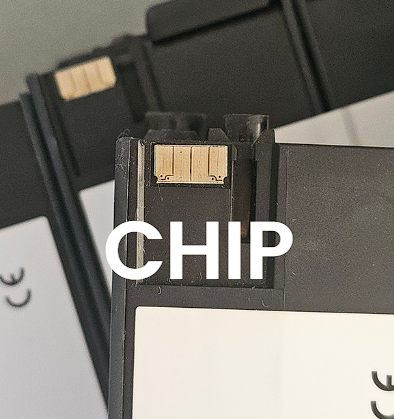
Every genuine HP cartridge contains a microchip that communicates with the printer. This chip can store encrypted information such as authenticity codes, page yield metrics, ink level readings, and manufacturing data.
When a cartridge is inserted, the printer reads the chip through electrical contacts. If the chip cannot be authenticated or does not match the expected signature, the printer may reject the cartridge or display warnings.
2. Firmware-Level Verification
HP places cartridge verification logic directly inside printer firmware. During normal use, the printer can validate the cartridge certificate, compare supply data, and check for signs of refilling or cloning.
3. Encrypted Communication Protocol
The printer and cartridge communicate through a proprietary encrypted protocol. This makes third-party replication more difficult and allows the printer to perform repeated authenticity checks during operation.
Why HP Uses DRM
- Revenue protection: Genuine supplies are a major profit center, so restricting alternatives helps preserve long-term consumables revenue.
- Quality and reliability claims: HP argues that supply control helps maintain predictable print quality and printer behavior.
- Warranty management: Cartridge authentication can help manufacturers identify non-genuine supplies and limit warranty exposure.
- Anti-counterfeiting: Security mechanisms also make it harder for counterfeit cartridges to imitate original products.
Technical Methods Used in Practice
- Cartridge firmware updates that can change security requirements over time.
- Page yield enforcement that compares cartridge reporting with expected usage patterns.
- Persistent authentication checks during normal printing, not only at cartridge installation.
Impact on Industrial and High-Volume Printing
For companies printing at industrial scale, DRM can significantly increase operating cost. If cartridges are expensive and supply options are restricted, the cost per liter stays high and long-term profitability suffers.
This is especially important in HP FI-1000 based printers and related industrial systems, where high-volume output can turn consumables cost into one of the biggest economic constraints in the business model.
Available Alternatives
- Subscription or managed supply programs
- Print-setting optimization to reduce ink usage
- Refurbished genuine cartridges where available
- Compatible cartridges with advanced chip technology on supported models
- Retrofit solutions that change the supply and control architecture for industrial workflows
Conclusion
HP DRM is both a technical control system and a business strategy. It helps HP protect consumables revenue and enforce supply authentication, but it also reduces user choice and increases long-term printing costs. For industrial users, understanding DRM is essential when evaluating printer ownership costs, supply-chain flexibility, and retrofit opportunities.